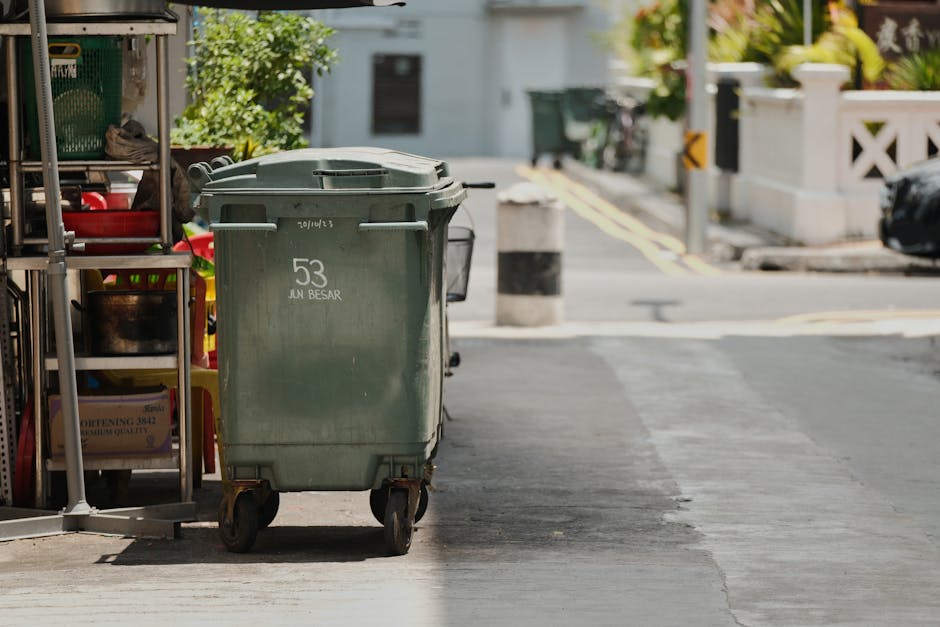
Green cleaning and recycling services in West Hampstead
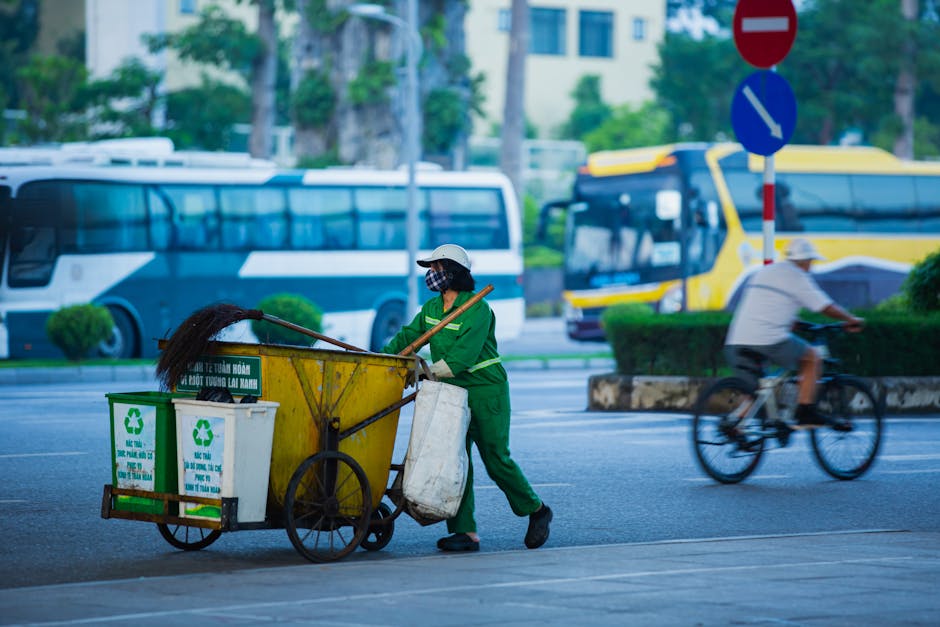
Green cleaning sounds simple enough on paper, but in real life it is a bit more nuanced. In West Hampstead, where busy homes, shared buildings, flats above shops, and local businesses all generate waste in slightly different ways, the best approach is not just about using a plant-based spray and calling it a day. It is about cleaning well, reducing unnecessary chemicals, sorting waste properly, and making sure reusable materials are handled with care.
This guide to Green cleaning and recycling services in West Hampstead explains what those services actually involve, how they work, who needs them, and what good practice looks like. If you have ever wondered whether an eco-conscious clean can still be thorough, whether recycling really changes anything, or how to choose a sensible service without overpaying, you are in the right place.
To be fair, the phrase gets thrown around a lot. But done properly, green cleaning is practical, tidy, and refreshingly straightforward.
Why Green cleaning and recycling services in West Hampstead Matters
West Hampstead has a mix of compact apartments, older houses, managed blocks, and commercial spaces that all create different kinds of cleaning and waste challenges. That matters because a one-size-fits-all service can easily waste water, overuse product, or send recyclable material into general waste simply because nobody set up a proper system.
Green cleaning is not just about being "eco-friendly" in a vague branding sense. It is about choosing methods that do the job while reducing avoidable impact. That can mean using safer cleaning formulas, measuring products properly, handling packaging responsibly, and separating recyclable materials before they become a muddled bin bag at the end of the job.
There is also a very practical side. Many clients want a clean space that feels fresh without heavy residue or strong odours. If you have ever walked into a room after a hard clean and got hit by that sharp chemical smell, you will know what I mean. A greener approach often feels lighter in the air, less sticky on surfaces, and easier to live with the same day.
For local residents and businesses, recycling is part of the picture too. A proper service should understand which items can be reused, which packaging can be separated, and which waste streams need careful handling. That includes everyday clutter after a deep clean, the odd broken accessory from a move, or construction dust and packaging after refurbishment. Where a job crosses into post-renovation territory, a service like after builders cleaning can make the difference between a rushed tidy-up and a genuinely usable space.
In a place like West Hampstead, where time is precious and storage space is often limited, green cleaning and recycling services are less about virtue signalling and more about making household or workplace routines easier, cleaner, and more organised. That is the real win.
How Green cleaning and recycling services in West Hampstead Works
Good green cleaning usually starts before anyone picks up a cloth. A service should first understand the property type, the level of soiling, the surfaces involved, and any recycling or waste separation needs. A studio flat with a quick refresh needs a different plan from a communal hallway, a busy office, or a post-tenancy reset.
In practice, the process often looks like this:
- Assessment: The cleaner identifies which rooms, surfaces, and waste types need attention.
- Product selection: They choose suitable cleaning products and tools that minimise unnecessary harsh chemicals where possible.
- Controlled cleaning: The team works methodically, using the right amount of product rather than saturating everything.
- Waste sorting: Recyclable items, packaging, and reusable materials are separated where appropriate.
- Final check: The property is reviewed for detail, odour, finish, and any overlooked waste.
That may sound tidy and obvious, but the difference between a decent service and a sloppy one often comes down to discipline. For example, cleaning a kitchen properly without flooding the counters with product uses less water and leaves fewer residues on food-prep surfaces. Recycling properly means somebody has taken the time to think beyond the immediate job.
Some services are even more useful when paired with a specific task. A routine home clean can be supported by regular cleaning, while a one-off reset may be better handled through one-off cleaning or a more detailed deep cleaning visit. The right format matters because the greener choice is often the one that avoids repeat work, wasted travel, and unnecessary product use.
And yes, recycling still matters even when the bins feel a bit like a mini puzzle. Different materials, different bags, different outcomes. Small effort, big difference over time.
Key Benefits and Practical Advantages
The biggest benefit of green cleaning is that it gives you a cleaner space without needless excess. That sounds obvious, but it really does shape the whole experience. Less over-spraying, less harsh residue, less waste, fewer unpleasant surprises later on.
- Better indoor comfort: Many people prefer a cleaner finish with fewer strong odours.
- More responsible waste handling: Recycling and reuse reduce the amount that ends up in general waste.
- Clearer routines: A cleaner who works methodically tends to leave less mess behind.
- Smarter product use: Correct dosing prevents waste and helps protect surfaces.
- Better fit for shared buildings: Communal spaces benefit from consistent, low-impact upkeep.
- Useful for sensitive households: Families, older residents, and anyone sensitive to strong scents often appreciate a gentler approach.
Another advantage is long-term upkeep. Surfaces cleaned properly and not overloaded with product usually stay in better condition. Floors do not become sticky, glass does not get cloudy, and upholstery is less likely to pick up unnecessary residue. That matters if you want to preserve finishes rather than keep fixing them.
There is also a reputational angle for businesses. Offices, landlords, short-let hosts, and building managers increasingly want practical sustainability without theatre. A green-minded cleaning and recycling approach supports that. If you manage a workspace, commercial cleaning or office cleaning can be tailored to reduce waste and keep shared areas orderly.
For homes, the benefits can be more personal. A fresh flat after a move, a calmer kitchen after a busy week, a sofa that looks cared for instead of tired. Little things, but they add up.
Who This Is For and When It Makes Sense
Green cleaning and recycling services in West Hampstead are a strong fit for people who want cleanliness with less waste and more thought behind the process. That includes owners, tenants, landlords, hosts, and businesses.
It makes sense if you are:
- moving into or out of a property and want the reset handled properly
- running a household with children, pets, or just a lot of daily traffic
- managing a rental or short-let where presentation matters every time
- looking after shared entrances, hallways, or stairwells
- trying to keep office cleaning steady and responsible
- dealing with a one-off overflow after a busy season, event, or renovation
A renter preparing to leave a flat may need a service that covers both thorough cleaning and waste removal planning. A host may need fast turnaround with practical recycling. A busy household may just want a recurring, no-fuss service that does not leave rooms smelling like a chemistry lab. Truth be told, those are all slightly different jobs, even if the room list looks similar on paper.
For properties with higher footfall or more detail, services such as end of tenancy cleaning, move in cleaning, and move out cleaning can be especially useful because they combine reset work with smarter waste handling.
If you are mainly trying to keep a lived-in home in good shape, domestic cleaning or house cleaning may be the better rhythm. Different pace, same principle: clean well, waste less, and leave the place easier to live in.
Step-by-Step Guidance
If you want to make greener cleaning feel manageable, break it into a simple process. No drama, no overthinking.
- List the rooms or areas that matter most. Start with kitchens, bathrooms, hallways, and high-touch surfaces.
- Separate obvious waste before cleaning begins. Old packaging, broken items, paper, cardboard, and reusable containers are easier to sort first.
- Choose the right service type. A light maintenance visit is not the same as a deep reset.
- Ask how products are used. Proper dilution and targeted application usually beat heavy-handed spraying.
- Check recycling handling. Ask what happens to packaging, consumables, and removed waste where relevant.
- Prioritise high-contact areas. Handles, switches, desks, taps, rails, and worktops tend to need the most attention.
- Inspect the finish. Look for streaks, residue, smells, and any waste left behind.
- Set a routine. Repeating a sensible plan is often greener than letting things build up.
A good example is a kitchen refresh after a busy week. If a cleaner removes food waste, sorts cardboard for recycling, cleans the hob carefully, and uses the right amount of product on surfaces, the result is much better than a rushed "spray everything and hope" approach. Not glamorous, but effective.
For more specialised jobs, it helps to match the method to the surface. carpet cleaning, rug cleaning, sofa cleaning, and upholstery cleaning all benefit from careful product selection and measured use rather than guesswork. Same idea, different material.
Expert Tips for Better Results
Here is the bit people often miss: the greenest clean is not always the one with the fanciest product label. It is the one that uses the fewest resources while still doing the job properly.
- Use less product than you think. More is not better. It often leaves residue and creates extra wiping.
- Work from top to bottom. That avoids re-cleaning surfaces after dust falls.
- Keep microfibre cloths in rotation. They can reduce disposable waste when properly washed and reused.
- Choose service frequency carefully. A well-planned regular clean can prevent larger, more wasteful jobs later.
- Combine tasks sensibly. Doing windows, floors, and bathrooms in one visit may be more efficient than several separate trips.
- Ask about waste segregation before the visit. It saves time and prevents mess.
One small but useful habit: keep a bag or box for recyclable household items near the place they are generated. In kitchens, that can be cardboard and cans. In offices, it may be paper and packaging. It sounds almost too basic to mention, but basic systems are often the ones people actually keep using.
If you are dealing with busy communal areas, it also helps to set expectations clearly. communal area cleaning works best when residents or managers understand what is being sorted, what is being removed, and what should stay in place. Less ambiguity, fewer awkward surprises.
And if a space needs a more detailed reset after a tenant turnover or a particularly long gap between visits, a deep cleaning appointment is usually more sensible than trying to patch it up with a quick pass. You will notice the difference, honestly, the moment you open the door.
Common Mistakes to Avoid
There are a few recurring mistakes that undermine green cleaning and recycling efforts. They are easy to make, but also easy to avoid once you know them.
- Assuming "green" means less effective. Not true. The issue is usually poor technique, not the concept itself.
- Using too much product. This is one of the fastest ways to waste money and create residue.
- Mixing recycling with general waste. It defeats the point and makes later sorting harder.
- Ignoring material differences. Glass, cardboard, metals, soft furnishings, and electronics all need different handling.
- Choosing a service without checking what is included. Green claims are not much use if the actual process is vague.
- Leaving big jobs too long. Heavy build-up usually means more product, more water, and more time.
One of the more common errors in small offices is putting everything into the same bin because it feels quicker. It is quicker, sure, but only for about ten minutes. After that the whole waste stream becomes messy and harder to manage. A cleaner system saves everyone time later on.
Another quiet mistake is over-focusing on packaging while ignoring product use. A bottle with an eco label is not automatically a sustainable win if it is used carelessly. The method matters as much as the material. Sometimes more, actually.
Tools, Resources and Recommendations
You do not need a van full of specialist kit to run a sensible green cleaning routine. A compact, well-chosen setup is often better.
- Microfibre cloths: good for dusting and general wiping with less disposable waste.
- Refillable spray bottles: useful for controlled dosing and reduced packaging.
- Separate caddies or bins: helpful for sorting recyclables, mixed waste, and reusable items.
- Labelled storage: makes it easier for households or teams to keep systems consistent.
- Surface-specific tools: better than using the same thing on everything, which... well, is not ideal.
For service choice, it is worth checking practical information before booking. The pages on pricing and quotes, payment and security, and insurance and safety are especially relevant when you want a clearer sense of how the service is run and what standards are in place.
If you want to understand the business itself, about us is useful too, because sustainability works better when it is backed by a real operational mindset rather than vague promises.
And if you want to see how the company frames recycling more directly, the recycling and sustainability information is worth reading alongside the service pages. That gives you a more rounded picture of the approach behind the cleaning.
Law, Compliance, Standards, or Best Practice
When people talk about eco cleaning, they sometimes jump straight to products. In practice, compliance and best practice matter just as much. You do not need to become a regulations expert, but it is sensible to know the basics.
In the UK, waste should be handled responsibly and sorted according to the type of material and the local collection setup. Businesses, landlords, and managing agents may have additional obligations around waste storage, safe cleaning practices, and responsible disposal. For larger sites, shared entrances, or offices, keeping records of what is cleaned and how waste is managed is often just plain good practice.
Health and safety is part of this too. A service should work safely around slippery floors, electrical points, confined spaces, and any cleaning chemicals in use. If products are being diluted or transferred into smaller containers, the handling should be sensible and controlled. Nothing fancy, just careful.
Relevant policy pages such as health and safety policy, terms and conditions, privacy policy, and complaints procedure can help you understand how a provider approaches service quality, responsibility, and customer care.
For customers concerned about ethical operations more broadly, modern slavery statement is another trust signal worth checking. It is not directly about cleaning technique, but it does say something about standards and accountability behind the scenes.
Options, Methods, or Comparison Table
Not every job needs the same method. This quick comparison should help you choose the right fit without overcomplicating things.
| Method | Best for | Strengths | Limitations |
|---|---|---|---|
| Regular cleaning | Homes and offices that need upkeep | Prevents build-up, efficient, easier to maintain | May not be enough for heavy dirt or neglected spaces |
| One-off cleaning | Occasional refreshes | Flexible, practical for seasonal or event-based needs | Less suited to ongoing maintenance |
| Deep cleaning | Detailed resets | More thorough on hidden or stubborn dirt | Takes longer and may cost more than a lighter service |
| End of tenancy cleaning | Move-outs and landlord handovers | Good for final presentation and resets | Needs clear scope and timing |
| Commercial cleaning | Workplaces and shared business spaces | Scalable, routine-friendly, good for shared waste systems | Requires coordination and consistency |
Where recycling is part of the brief, think about the amount of waste being generated. A small flat with a few bags of packaging is one thing. A workplace refresh with paper, cardboard, and consumables is another. The greener option is often the one that matches the job properly instead of forcing the wrong type of service to do everything.
If your home also needs attention in specific areas, specialist services like oven cleaning, window cleaning, and mattress cleaning can be integrated thoughtfully, rather than treated as unrelated add-ons.
Case Study or Real-World Example
Picture a typical West Hampstead flat at the end of a tenancy. The kitchen has cardboard, old cleaning bottles, a few leftover bits in the fridge, and that familiar "we have lived here right to the last possible minute" feeling. Nothing dramatic. Just busy-life clutter.
A good green cleaning and recycling approach would start with sorting. Recyclable cardboard is separated first. Reusable items are set aside. General waste is reduced before the cleaner even begins the detailed work. Then the surfaces are cleaned with the right product in the right amount, the kitchen is wiped down carefully, and the property is checked for residue, dust, and odour.
If the flat has soft furnishings that need attention too, the cleaner might combine this with sofa cleaning or carpet cleaning. The result is not just "looks okay from the doorway". It feels reset. Clean air, cleaner lines, less clutter. Very satisfying, actually.
That same approach works in offices, small communal spaces, and short-let properties. The specifics change, but the logic does not: sort first, clean properly, waste less, and leave the space ready for use.
Practical Checklist
Use this checklist before you book or carry out a green cleaning and recycling service in West Hampstead.
- Identify the rooms, surfaces, and waste types that need attention
- Decide whether you need regular, one-off, or deep cleaning
- Check whether recycling is included in the service approach
- Confirm how products are used and whether dilution is controlled
- Ask what happens to packaging, reusable items, and removed waste
- Make sure access, parking, and timing are clear in advance
- Choose specialised cleaning for fabrics, windows, ovens, or mattresses where needed
- Review pricing, safety, and policy information before booking
- Prepare the space by separating obvious recyclables and clearing clutter
- Do a final walk-through after the clean to check finish and waste handling
If you want a simple place to start, use the service that best fits the scale of the job. That alone avoids a lot of waste, stress, and unnecessary back-and-forth.
Get a free quote today and see how much you can save.
Conclusion
Green cleaning and recycling services in West Hampstead are at their best when they are practical, not performative. The aim is simple: keep spaces fresh, use resources wisely, and handle waste with a bit more care than the bare minimum.
Whether you are looking after a home, a rental, a shared building, or a workplace, the same principles apply. Clean methodically. Recycle properly. Match the service to the real job. And do not be afraid to ask a few sensible questions before booking. It saves time later, and usually money too.
In the end, good cleaning is not just about what you can see at first glance. It is about how the space feels, how it is maintained, and how responsibly the work is done. That quieter kind of quality tends to last.
Frequently Asked Questions
What are green cleaning and recycling services in West Hampstead?
They are cleaning services that aim to reduce unnecessary chemical use, minimise waste, and sort recyclable materials properly while still leaving the property thoroughly clean.
Is eco-friendly cleaning as effective as traditional cleaning?
Yes, when it is done properly. The effectiveness usually depends more on technique, product choice, and attention to detail than on whether a product has a green label.
Do green cleaning services cost more?
Not always. Pricing depends on the size of the property, the level of cleaning required, and whether you need a specialist service. Sometimes a greener approach can actually reduce waste and inefficiency.
What kinds of properties benefit most from this service?
Homes, flats, offices, shared hallways, rental properties, and short-let spaces all benefit. It is especially useful where routine upkeep and recycling both matter.
Can recycling be included in a cleaning visit?
Yes, if the service is set up for it. That might include separating cardboard, packaging, and reusable items before the main clean begins.
What should I ask before booking a green cleaning service?
Ask what products are used, how waste is handled, whether recycling is part of the process, and what level of cleaning is included. Simple questions, but very useful ones.
Is green cleaning suitable for families or sensitive households?
Often yes, because many people prefer a lighter finish and fewer strong odours. That said, always mention sensitivities in advance so the service can be planned carefully.
How do I know if I need regular cleaning or a one-off clean?
If your space gets dirty again quite quickly, regular cleaning is usually better. If you just need a reset after a busy period, a one-off clean may be enough.
What is the difference between deep cleaning and standard cleaning?
Deep cleaning is more detailed and usually targets stubborn dirt, hidden areas, and neglected spots. Standard cleaning is better for routine maintenance and lighter upkeep.
Can green cleaning help with end of tenancy or move-out cleaning?
Yes. It is often a very sensible fit because it combines a thorough reset with waste sorting and a cleaner handover for the next occupant.
What if I have carpets, sofas, or mattresses that need attention too?
Specialist services such as carpet cleaning, sofa cleaning, upholstery cleaning, and mattress cleaning can be added where needed, which helps keep the overall clean more complete and efficient.
Where can I check service details and policies?
Useful pages include pricing and quotes, health and safety policy, insurance and safety, terms and conditions, and recycling and sustainability. They help you understand the service before you book.