Office Cleaning in Modern Workplaces: A Practical Approach to Cleaner, Healthier, and More Productive Offices
Office cleaning plays a bigger role in workplace success than many people realize. A tidy workspace is not just about appearances; it shapes employee comfort, supports healthier routines, and helps create a professional impression for clients and visitors. Whether you manage a small startup, a growing team, or a large corporate environment, consistent office cleaning helps keep daily operations running smoothly.
Today, businesses are paying closer attention to cleanliness because offices are shared spaces. Desks, meeting rooms, kitchens, restrooms, and reception areas all collect dust, germs, and clutter quickly. A well-planned office cleaning routine reduces these issues while improving the overall experience for everyone in the building. It also supports a more organized, focused, and inviting workplace.
From routine dusting and disinfecting to floor care and waste removal, office cleaning involves far more than a quick wipe-down. It requires structure, attention to detail, and the right methods for different surfaces and spaces. In this article, we’ll explore why office cleaning matters, what it includes, and how to build a smarter cleaning plan that fits your business needs.
Why Office Cleaning Matters for Every Business

Office cleaning affects more than visual appeal. A clean office supports employee morale, reduces distractions, and helps staff feel more comfortable at work. When desks are clear and common areas are well maintained, people can focus better on their tasks. That improvement in focus can translate into better efficiency throughout the day.
Professional office cleaning also influences how visitors perceive your business. Clients, partners, and job candidates often notice the state of a workplace right away. Clean floors, polished surfaces, and fresh-smelling rooms signal professionalism and care. In contrast, dusty corners or dirty restrooms can create a negative impression before a single conversation begins.
Health and hygiene are equally important. Offices contain high-touch areas such as keyboards, door handles, breakroom counters, and elevator buttons. These places can harbor bacteria and viruses if they are not cleaned regularly. A strong office cleaning routine helps reduce the spread of illness and supports a healthier workplace overall.
Another major benefit of office cleaning is asset protection. Furniture, carpets, electronics, and fixtures last longer when they are cleaned properly. Dust buildup can damage equipment over time, while spills or grime can stain fabrics and flooring. Regular maintenance can help avoid costly repairs and replacements.
There is also a psychological side to office cleaning. People tend to feel more calm and in control in clean environments. A well-maintained workplace can reduce stress and create a more pleasant atmosphere. That matters in offices where teams spend many hours each week.
For businesses that want to make a strong impression and maintain a productive environment, office cleaning is not optional. It is a practical investment that supports daily operations, workplace culture, and long-term value.
What Office Cleaning Typically Includes
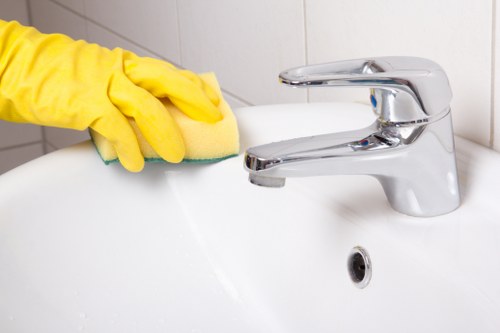
Office cleaning can be tailored to the needs of each workplace, but most service plans include a set of core tasks. These tasks are designed to keep common areas sanitary, surfaces presentable, and the overall environment safe and functional. Understanding what is usually included helps businesses choose the right level of service.
Common office cleaning tasks
- Dusting desks, shelves, blinds, and other surfaces
- Vacuuming carpets and rugs
- Mopping hard floors
- Emptying trash and recycling bins
- Cleaning and disinfecting restrooms
- Sanitizing breakroom counters and kitchen surfaces
- Wiping down high-touch points such as handles and switches
- Cleaning glass doors and interior windows
- Spot-cleaning walls and surfaces as needed
- Restocking restroom and kitchen supplies
These tasks may sound simple, but together they create a noticeable difference in the appearance and function of an office. Office cleaning should be consistent and thorough, not rushed or random. The goal is to maintain a space that looks professional every day.
Some offices require additional services, especially if the business has specialized equipment, large foot traffic, or sensitive work environments. These can include floor stripping and waxing, deep carpet cleaning, upholstery care, and sanitation services for shared workstations.
The best office cleaning plans are flexible. They should match the size of the workplace, the type of work being performed, and the hours when cleaning can take place with minimal disruption.
Some offices also need periodic deep cleaning. This may happen monthly, quarterly, or seasonally depending on the workspace. Deep office cleaning can include interior window washing, vent cleaning, behind-furniture dusting, and disinfection of less frequently touched areas. This deeper level of care helps maintain standards between daily cleaning visits.
Reception areas often receive special attention because they are the face of the business. Meeting rooms, conference tables, and shared lounges also need careful cleaning because they are used by multiple people throughout the day. When these spaces are maintained properly, the office feels more organized and welcoming.
Restrooms and kitchens deserve particular focus in office cleaning. These areas are essential to employee comfort and hygiene. Clean sinks, sanitized counters, fresh supplies, and odor control contribute significantly to the overall condition of the workplace.
Benefits of Professional Office Cleaning

Many companies choose professional office cleaning because it offers consistency, expertise, and convenience. Trained cleaners understand how to handle different surfaces, products, and workplace needs. They can work efficiently while maintaining a high standard of cleanliness.
Key benefits include:
- Improved workplace hygiene and reduced germ buildup
- More productive employees in a cleaner environment
- Better first impressions for clients and guests
- Longer lifespan for carpets, furniture, and surfaces
- Reduced maintenance issues over time
- Flexible scheduling to fit business hours
- Consistent results supported by a routine plan
Professional office cleaning can also help businesses stay organized. Cleaning teams often notice issues such as broken fixtures, leaks, or supply shortages before they become bigger problems. That extra level of observation can support better facility management.
For companies with busy schedules, outsourcing office cleaning saves time and reduces pressure on staff. Employees can focus on their own responsibilities instead of handling cleaning tasks that are outside their job descriptions. This can lead to smoother workflows and better use of internal resources.
It is also worth noting that office cleaning supports compliance with workplace health expectations. Many businesses want to maintain a clean and orderly setting not only for appearance but also to uphold safety and hygiene standards. A structured cleaning program helps make that easier.
Another benefit is consistency. In-house cleaning efforts can vary depending on staff availability and training, while professional office cleaning is typically performed according to a schedule and checklist. That consistency matters in keeping a workplace clean week after week.
Businesses that prioritize office cleaning often find that the investment pays off in multiple ways. Better morale, fewer complaints, cleaner spaces, and a more polished image all contribute to stronger overall operations.
If your workplace wants a reliable way to stay presentable and sanitary, office cleaning is one of the smartest places to start.
How to Build an Effective Office Cleaning Routine
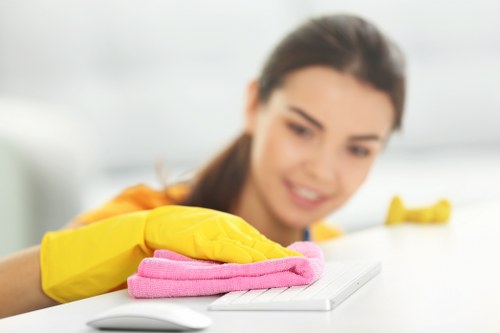
A successful office cleaning routine starts with planning. Every workplace has different needs, so the first step is identifying which areas require daily care, weekly maintenance, and occasional deep cleaning. A clear schedule helps prevent tasks from being overlooked.
Start by dividing tasks into categories
- Daily tasks: trash removal, restroom cleaning, surface wiping, kitchen sanitizing
- Weekly tasks: vacuuming, mopping, dusting, glass cleaning
- Monthly tasks: deep carpet care, detailed disinfection, blind cleaning
- Seasonal tasks: floor refinishing, vent cleaning, high-level dust removal
Creating a routine also means assigning responsibility. If the office uses an internal team, make sure duties are clear and realistic. If the office uses an external provider, confirm the service scope and frequency. Good communication prevents confusion and helps office cleaning stay on track.
Another useful strategy is to prioritize high-touch areas. These are the locations most likely to spread dirt or germs, especially in busy workplaces. Door handles, shared printers, light switches, and kitchenette surfaces should receive frequent attention. Focusing on these areas can make a big difference in overall cleanliness.
Office cleaning works best when it is preventive rather than reactive. Instead of waiting until a space looks dirty, consistent cleaning keeps problems from building up in the first place. That approach saves time and supports a more stable working environment.
It is also important to choose the right products. Different materials need different cleaning solutions, and using the wrong product can cause damage. For example, glass surfaces, wood furniture, stainless steel, and carpeted floors each require specific care. A thoughtful office cleaning routine should account for those differences.
Monitoring results is another smart step. Walk through the office regularly and check whether cleaning standards are being met. Look for visible dust, odors, clutter, or missed areas. Small adjustments can improve the routine significantly over time.
A well-structured office cleaning plan does not need to be complicated. It simply needs to be consistent, practical, and aligned with the workplace’s daily rhythm.
Office Cleaning for Different Types of Workspaces

Not every office has the same cleaning needs. The best office cleaning strategy depends on the size, layout, and purpose of the workspace. A small administrative office will not require the same level of service as a multi-floor corporate building or a coworking space with constant visitor traffic.
Examples of workspace-specific needs
- Small offices: focus on dust control, restrooms, break areas, and trash removal
- Corporate offices: include conference rooms, lobbies, elevators, and multiple floors
- Coworking spaces: require frequent sanitizing of shared desks and communal zones
- Medical-adjacent offices: may need stricter hygiene practices and specialized disinfection
- Creative studios: may need care for specialty materials, equipment, and open-plan layouts
Open-plan offices often need extra attention because more people share the same air, desks, and surfaces. In these settings, office cleaning should emphasize sanitizing common touchpoints and keeping workstations orderly. The goal is to support collaboration without sacrificing cleanliness.
Reception-heavy offices should also invest in appearance-focused cleaning. Floors, entry glass, waiting areas, and display surfaces contribute to the business’s image. Since visitors often form opinions within seconds, office cleaning in these areas should be especially detailed.
Industrial-style offices or hybrid warehouse offices may need different approaches to dust and debris control. In those settings, office cleaning may involve more robust floor care and more frequent debris removal. Matching the service to the environment ensures better results.
Remote and hybrid work has also changed office cleaning needs. When fewer employees are in the office every day, cleaning schedules may be adjusted around peak occupancy. At the same time, shared spaces may still need regular care because people continue to use them in rotations.
The right office cleaning plan should feel tailored, not generic. When the service matches the real use of the space, the results are cleaner, safer, and more cost-effective.
In every type of workspace, the core principle remains the same: office cleaning should support productivity, health, and a polished professional environment.
Choosing the Right Office Cleaning Approach
There are several ways to manage office cleaning, and the best option depends on budget, schedule, and workplace size. Some businesses rely on internal staff, while others hire specialized cleaning providers. In many cases, a hybrid approach works well.
Common office cleaning models
- In-house cleaning: handled by employees or dedicated facility staff
- Outsourced cleaning: managed by a professional service provider
- Hybrid cleaning: a mix of internal tidying and external deep cleaning
In-house office cleaning can work well for very small workplaces or for tasks that are simple and routine. However, it may be limited by staff time and training. Outsourced office cleaning brings expertise and consistency, which can be especially helpful in larger or busier offices.
When evaluating a provider, businesses should look at service quality, flexibility, reliability, and attention to detail. The right team should understand how to work around office schedules and maintain a clean environment without disrupting daily activities. Clear expectations make all the difference.
Cost should not be the only factor. Quality office cleaning helps preserve the workplace and support employee well-being, which can deliver value beyond the price tag.
Businesses should also think about frequency. Some offices may need daily cleaning, while others may do well with several weekly visits plus periodic deep cleaning. The key is balancing cleanliness with operational needs.
It can be helpful to review office cleaning needs as the business grows. More employees, more visitors, and more shared areas usually mean more cleaning demands. A plan that works today may need to be adjusted later.
When selected carefully, an office cleaning approach can become a dependable part of workplace management rather than a last-minute concern.
Best Practices That Improve Office Cleaning Results
Even a strong office cleaning plan works better when paired with good workplace habits. Employees and managers can support cleanliness throughout the day by following simple practices that reduce mess and make cleaning easier.
Helpful best practices
- Encourage desk organization and clutter control
- Use labeled bins for trash and recycling
- Keep food and drink areas separate from work areas
- Wipe up spills quickly
- Clear shared spaces after use
- Report maintenance problems promptly
- Store cleaning supplies safely and accessibly if needed
Small habits can make office cleaning more effective. For example, keeping desks free of paper piles makes dusting much easier. Cleaning up after meetings reduces the need for extra labor. These practices support a cleaner office between scheduled service visits.
Training can help too. When staff understand why office cleaning matters, they are more likely to follow workplace expectations. A shared standard makes the environment cleaner and more respectful for everyone.
Clean offices are usually the result of teamwork, not just cleaning crews. The more people support the process, the better the results will be.
Another useful practice is to review supplies regularly. Empty soap dispensers, low paper towels, and missing sanitizer can undermine even the best office cleaning routine. Keeping stock levels in check prevents unnecessary problems.
It is also helpful to notice seasonal changes. Flu season, allergy season, and weather-related dirt can all affect the office. Adjusting the office cleaning plan to match the season can improve comfort and hygiene.
With the right habits in place, office cleaning becomes easier to maintain and more effective over time.
Office Cleaning and Workplace Well-Being
There is a strong connection between office cleaning and workplace well-being. People spend a significant part of their day at work, so the environment around them can influence mood, concentration, and energy levels. A clean office tends to feel more organized and less stressful.
How cleanliness supports well-being
- Reduces visual clutter and distractions
- Improves comfort in shared environments
- Supports healthier routines and hygiene
- Helps employees feel valued by their employer
- Creates a calmer and more professional atmosphere
Clean spaces also support workplace pride. When employees see that the office is well cared for, they may be more likely to take care of their own areas. That sense of mutual responsibility can strengthen team culture.
Office cleaning can even influence attendance. While cleaning alone cannot prevent illness, maintaining hygienic shared spaces can reduce the spread of common germs. That means fewer disruptions and a healthier day-to-day rhythm.
In modern workplaces, cleanliness is part of employee experience. It helps shape how people feel about coming to work and how they interact with the space around them.
The benefits extend to visitors as well. Clients and guests often associate a clean office with reliability and attention to detail. In industries where reputation matters, office cleaning can reinforce trust before a single meeting begins.
When businesses treat cleanliness as part of their culture, the office becomes more than a place to work. It becomes a setting that supports productivity, confidence, and positive daily habits.
Final Thoughts on Office Cleaning
Office cleaning is an essential part of running a modern workplace. It affects health, comfort, organization, and business image. From daily upkeep to deeper maintenance, a well-planned cleaning routine keeps the office looking professional and functioning properly.
Businesses that invest in office cleaning often see benefits that go beyond appearances. Employees feel more comfortable, visitors feel more welcome, and the workplace becomes easier to manage overall. Whether handled internally or through a professional provider, office cleaning should be consistent, thoughtful, and tailored to the needs of the space.
If your workplace is ready to create a cleaner, more productive environment, now is the right time to take action. Contact us today to improve your office cleaning plan, or book your service now and give your workplace the care it deserves.