Health and Safety Policy
 This health and safety policy sets out our commitment to maintaining a safe, healthy, and respectful environment for everyone involved in our operations. It applies to all work activities, all locations under our control, and all people who may be affected by our actions. Our aim is to prevent injury and ill health through clear responsibilities, sensible precautions, and a proactive approach to managing risk.
The policy is based on the principle that safety is a shared responsibility. Managers, supervisors, employees, contractors, and visitors each have a role to play in supporting safe practices. We expect everyone to act responsibly, follow established procedures, and report hazards promptly. A strong safety culture depends on communication, cooperation, and consistent standards across all activities.
Our organization is committed to providing and maintaining a working environment that is, so far as reasonably practicable, safe and without risks to health. 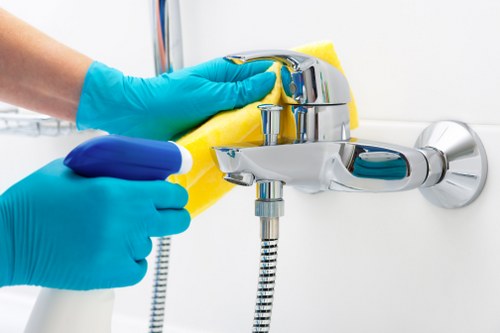 This includes suitable equipment, appropriate training, safe systems of work, and regular monitoring of workplace conditions. We also recognize that wellbeing is an important part of safety, and we seek to support both physical and mental health through good management and respectful working practices.
Risk management is central to this policy. We identify foreseeable hazards, assess the level of risk, and apply controls to eliminate or reduce those risks wherever possible. This process is reviewed whenever work activities change, new equipment is introduced, or incidents indicate that improvements are needed. The goal is not simply to meet a minimum standard, but to build a workplace that is safe by design.
Every task should be planned with safety in mind. This includes using the correct tools, wearing suitable protective equipment where required, and never bypassing safeguards for convenience. Employees are expected to stop and seek guidance if they are unsure how to complete a task safely. Supervisors must make sure that work is organized so that risks are reduced and that unsafe shortcuts are not tolerated.
Training and competence are essential elements of our health & safety policy. We provide information, instruction, and supervision so that people can carry out their duties safely and confidently.  Training needs are identified according to role, experience, and the level of risk involved. Refresher training is arranged when procedures change or when additional support is needed. No one should be expected to perform work for which they have not been properly prepared.
Reporting is encouraged at every level. Hazards, near misses, accidents, unsafe conditions, and work-related health concerns should be reported as soon as they are identified. Early reporting allows action to be taken before harm occurs. We treat reports seriously and use them to learn, improve controls, and prevent recurrence. Where appropriate, corrective actions are tracked to completion.
Accident and incident investigations help us understand not only what happened, but why it happened. The purpose of investigation is improvement, not blame. We look for underlying causes such as poor planning, inadequate supervision, equipment failure, or unclear procedures. Findings are used to strengthen our safety management system and to reduce the likelihood of similar events happening again.
We also expect good housekeeping, careful storage of materials, and attention to work environment conditions such as lighting, ventilation, access, and cleanliness.  These practical measures support both efficiency and safety. In addition, work-related stress, fatigue, and other wellbeing factors are considered when planning duties and schedules. A healthy workplace is one where people are able to work safely, with dignity, and with appropriate support.
Emergency preparedness is another key part of this policy. We maintain arrangements for responding to fires, medical emergencies, equipment failures, and other foreseeable incidents. People are informed about emergency procedures, escape routes, and any responsibilities they may have during an emergency. Regular checks and practice help ensure that response arrangements remain effective and understood.
Contractors and third parties are expected to meet the same safety standards that apply to our own operations. Before work begins, relevant risks should be assessed and coordinated so that activities do not create hazards for others. Clear communication is especially important where different teams, processes, or equipment are working in the same area. Safety must never be compromised by poor coordination or unclear ownership.
Monitoring and review ensure that the health and safety policy remains effective and current. We review performance using inspections, audits, incident trends, and feedback from internal assessments. Where improvements are identified, we act on them in a timely manner. 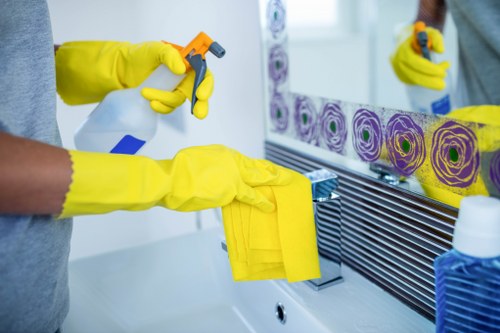 This policy is reviewed periodically and updated when necessary to reflect changes in operations, risks, or good practice. Everyone is expected to support the policy and contribute to its successful implementation.
Our Safety Commitments
We will provide resources, training, and leadership to maintain safe working conditions.
Key Responsibilities
- Identify and control hazards before work begins.
- Use equipment and protective measures correctly.
- Report unsafe conditions, incidents, and concerns promptly.
- Follow instructions, procedures, and site rules at all times.
- Support continual improvement in health, safety, and wellbeing.
In summary, this policy reflects our commitment to protecting people, reducing risk, and promoting a positive safety culture. Through cooperation, vigilance, and continuous improvement, we aim to ensure that everyone can work in an environment that is safe, healthy, and well managed.