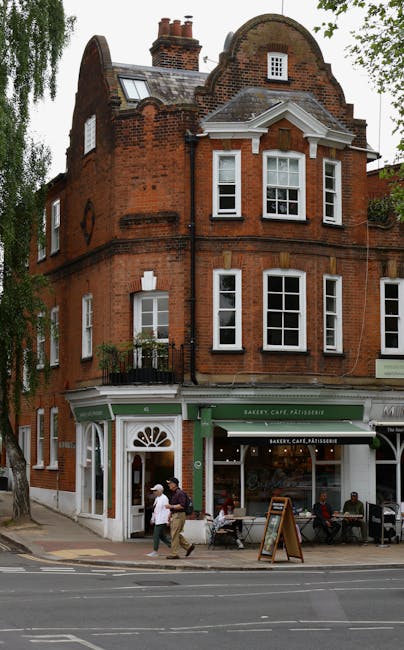
Office cleaning for West Hampstead shops and cafes

If you run a shop, cafe, or small customer-facing office in West Hampstead, you already know the difference a clean space makes. It is not just about appearances, though that matters. It is about the quiet things people notice straight away: the smell when they walk in, the shine on the counter, the way a toilet feels at 8:30 in the morning, and whether the floor looks cared for before the first coffee is poured. Office cleaning for West Hampstead shops and cafes is really about keeping a busy space ready for real life, every day, without turning your own team into part-time cleaners.
Done properly, it supports hygiene, staff morale, customer trust, and the sort of calm first impression that makes people stay a little longer. This guide breaks down how the service works, what to prioritise, where businesses often go wrong, and how to choose a sensible cleaning plan that fits the rhythm of a local premises.
Why Office cleaning for West Hampstead shops and cafes Matters
Small retail and hospitality spaces live or die by detail. A cafe table with sticky crumbs, a till area with fingerprints, or a back office that has been neglected for weeks can undo the effort your team puts into service. In a place like West Hampstead, where customers often have plenty of choice and tend to notice presentation quickly, cleanliness becomes part of your brand, not just a maintenance task.
For shops and cafes, the cleaner has to work around real-world pressure. Deliveries arrive. Staff are on shift. Customers are nearby. Floors get tracked in with rain, coffee, mud, and the usual London mix of day-to-day grime. One missed corner may not sound dramatic, but those small misses add up fast. You know the feeling: everything seems fine until a customer comments on the windows, or a colleague quietly starts wiping the same counter three times a day.
There is also the practical side. Regular cleaning helps reduce slip hazards, keep washrooms usable, and slow down wear on surfaces, upholstery, and flooring. That matters whether you are running a compact espresso bar, a deli, a concept store, a hair or beauty retail unit, or a back-office space with customer appointments.
Expert summary: The best cleaning plans for local businesses are the ones that match opening hours, footfall, and the specific mess your premises actually creates. A good plan is specific, not generic.
If you need a broader overview of business-grade cleaning support, the main commercial cleaning service page is a useful place to start.
Table of Contents
- Why Office cleaning for West Hampstead shops and cafes Matters
- How Office cleaning for West Hampstead shops and cafes Works
- Key Benefits and Practical Advantages
- Who This Is For and When It Makes Sense
- Step-by-Step Guidance
- Expert Tips for Better Results
- Common Mistakes to Avoid
- Tools, Resources and Recommendations
- Law, Compliance, Standards, or Best Practice
- Options, Methods, or Comparison Table
- Case Study or Real-World Example
- Practical Checklist
- Conclusion
- Frequently Asked Questions
How Office cleaning for West Hampstead shops and cafes Works
The process usually starts with the layout of the space, the hours you trade, and the areas that get dirty fastest. A cafe is different from a gift shop. A shop floor is different from a small office with client meetings. The cleaner should build the routine around those differences rather than forcing everything into a standard checklist. That sounds obvious, but it is where a lot of average service slips.
In practice, office cleaning for shops and cafes normally includes a mix of daily, weekly, and periodic tasks. Daily work covers the visible stuff: bins, touchpoints, counters, washroom upkeep, mopping, vacuuming, and keeping front-of-house tidy. Weekly work often goes a bit deeper: skirting boards, shelf edges, glass, chair legs, kitchenettes, and the awkward spots behind movable furniture. Then there is the occasional deeper clean, which deals with the build-up nobody wants to see but everyone notices once it is gone.
Timing matters. Early-morning cleans work well for many cafes and shops because the space is ready before opening. After-closing visits are another common option, especially where customer traffic makes daytime cleaning awkward. Some premises need a split approach: a short daily visit for essentials and a longer weekly or fortnightly clean for the jobs that need more attention.
For businesses that have had recent refurbishments, repairs, or fitting work, a one-off intensive clean can help restore the premises properly. In those cases, one-off cleaning or even deep cleaning may make more sense before returning to a normal routine.
It is also worth separating front-of-house from back-of-house. Customers judge the visible areas, yes, but staff rely on the back room, stock area, and kitchenette staying organised and hygienic. If the back area becomes the place where everything gets shoved out of sight, the whole operation feels a bit tired. Truth be told, that happens more often than people admit.
Key Benefits and Practical Advantages
Good cleaning gives you more than a polished look. It creates a smoother workday. Staff spend less time dealing with avoidable mess, and that usually means less friction during service. A clean environment can also support better consistency, because people are not constantly battling clutter, dust, or unpleasant smells in the background.
- Better customer confidence: People notice spotless windows, tidy floors, and clean counters before they consciously register them.
- Improved staff morale: It is simply easier to work in a place that feels cared for.
- Lower wear and tear: Regular maintenance helps protect flooring, upholstery, and fixtures.
- Reduced health and safety risk: Spills, debris, and blocked walkways can create avoidable hazards.
- More reliable standards: Outsourced cleaning gives you a repeatable routine instead of relying on whoever has five spare minutes.
For many independent businesses, the hidden benefit is time. Once cleaning is handled properly, managers can focus on stock, service, rota planning, or the hundred other things that keep a small premises afloat. That matters. A lot.
There is also a subtle reputational angle. Customers rarely write glowing reviews about a clean skirting board, but they very much notice if a cafe bathroom smells odd or a shop counter looks greasy. Cleanliness is often invisible when done well, which is exactly the point.
When you need freshening up of windows, seating, or soft furnishings as part of the overall presentation, related services like window cleaning, carpet cleaning, and upholstery cleaning can be useful add-ons.
Who This Is For and When It Makes Sense
This service is a strong fit for independent retailers, cafes, bakeries, coffee shops, salons with a retail or reception area, small agencies with client-facing space, and mixed-use premises where staff and customers share the same environment. If people enter through the same door every day, track in rain and dirt, and expect a presentable space within seconds, you probably need a regular cleaning plan.
It also makes sense when your team is already stretched. Many small businesses try to handle cleaning internally at first. Fair enough. But at some point the maths changes. If staff are staying late to mop floors or wipe down fixtures, that time is coming from service, sales, or rest. And tired people do not clean particularly well anyway. Not their fault, just life.
Another good time to bring in a structured service is after a busy seasonal period. Think school holidays, December rushes, weekend events, or a spell of wet weather that seems to leave damp footprints on every surface. If your business runs with morning turnover and evening reset, regular support can keep things stable instead of constantly catching up.
Some premises need more than routine upkeep. For example, if a shop has completed a refit, if there has been construction dust, or if the space has been left empty for a while, a more intensive clean may be needed before reopening. In those situations, after builders cleaning is often the right direction.
If you are comparing service levels, a business-focused provider with transparent processes is more helpful than a vague "we do everything" approach. You want someone who understands the difference between a surface tidy and a proper workplace standard.
Step-by-Step Guidance
Here is a practical way to set up office cleaning for a shop or cafe without overcomplicating it.
- Map the space. List every zone: customer entrance, service counter, seating, washroom, kitchenette, stock area, till point, office nook, and staff space.
- Identify high-touch surfaces. Door handles, card machines, tables, taps, switches, fridge doors, and menu stands usually need the most consistent attention.
- Separate daily and periodic tasks. Daily is for visible hygiene. Weekly or fortnightly is for the deeper work that stops build-up.
- Set the best timing. Early morning, after close, or split visits can all work. Choose the one that causes the least disruption.
- Decide what staff will and will not do. This avoids confusion. Staff can tidy tables between customers, but that is not the same as a structured cleaning schedule.
- Choose suitable products and methods. A cafe kitchen area, a polished retail floor, and a fabric chair all need different treatment.
- Review the standard after two or three visits. If one area keeps being missed, the plan needs adjusting. Simple as that.
A small but important point: if a cleaner is only ever asked to react to whatever looks dirty on the day, the result tends to drift. The better approach is a repeatable routine, checked and adjusted over time.
For a premises that needs ongoing support, a regular schedule from regular cleaning may be more suitable than isolated ad hoc visits.
Expert Tips for Better Results
First, keep the brief specific. "Clean the cafe" is too broad. "Counters, customer tables, WC, bin area, kitchenette sink, front entrance glass, and mop the floor" is much better. Specific instructions create consistent outcomes, and consistency is the whole game.
Second, think about touchpoint order. A cleaner should generally work from cleaner zones to dirtier ones, and from high to low where practical. That avoids spreading dust and fingerprints around. It sounds small, but you notice the difference by the end of the week.
Third, protect the surfaces you care about most. If your cafe has wood finishes, textured tiles, or fabric seating, ask how those are treated. Harsh products can leave damage that is far more expensive than the original cleaning job. Nobody wants a shiny counter with a dull ring where the wrong spray was used.
Fourth, treat windows and glass as part of the brand. West Hampstead shoppers and cafe customers are often street-facing and visual. Smudged glass, especially on a grey London morning, makes a place feel tired before anyone has even stepped inside. If that is part of your frontage, build it into the plan with window cleaning.
Finally, do not underestimate the value of small resets. Empty bins before they are overflowing. Wipe the front counter before it becomes sticky. Clear the entrance mat before dirt gets walked through the whole space. Tiny habits, repeated, beat heroic catch-up sessions every time. Every time.
Common Mistakes to Avoid
One of the biggest mistakes is relying on a general domestic-style clean for a commercial premises. Shops and cafes have more touchpoints, more public-facing surfaces, and often more frequent spill risk. Domestic cleaning may be suitable for some homes, but a business space needs a more commercial mindset. The same goes for domestic cleaning versus business cleaning: similar skills, different pressure.
Another common issue is ignoring the back-of-house. If the front looks nice but the staff area is messy, the whole operation feels fragile. That is where crumbs accumulate, bins get forgotten, and cleaning supplies end up stored beside stock. Not ideal, not even a bit.
People also underestimate how often touchpoints need attention. Menus, payment terminals, handles, taps, and railings can need cleaning more frequently than the floors. The obvious dirt is not always the real hygiene issue.
Other mistakes include:
- setting a cleaning schedule with no clear responsibility
- choosing the cheapest quote without checking what is included
- forgetting about washrooms until they become urgent
- using the same method for every surface
- failing to review the service when footfall changes
A little honesty helps here. Businesses often know what is wrong. They just do not have time to sort it properly. That is usually the real reason a cleaning standard slips, not laziness or neglect.
Tools, Resources and Recommendations
You do not need a huge toolkit to keep a shop or cafe in good order, but you do need the right basics and a sensible system. For most premises, the useful essentials are straightforward:
- microfibre cloths for counters, glass edges, and touchpoints
- colour-coded cleaning materials to reduce cross-contamination risk
- an appropriate mop and bucket system for the floor type
- vacuuming equipment suited to hard floors, mats, or low-pile carpet
- approved surface-safe detergents for food-adjacent or customer-facing areas
- bin liners, disposable gloves, and restock items kept in one place
For deeper maintenance, some businesses benefit from additional specialist support. Carpets in waiting areas or seating zones can trap odours and dust. Fabric chairs and sofas can show marks quickly. If those parts of your premises matter visually, related services such as carpet cleaning and sofa cleaning may be worth considering at intervals.
If your shop or cafe has a small washroom or staff kitchenette that gets a lot of use, more detailed hygiene support can also make a meaningful difference. And if you are setting up the service for the first time, it helps to compare what is included before you commit. A good starting point is the provider's pricing and quotes information, because clarity is usually better than guesswork.
One practical recommendation: keep a simple cleaning log, even if it is just for internal use. It does not need to be fancy. A dated checklist helps with accountability and makes it easier to spot what is being missed on busy weeks.
Law, Compliance, Standards, or Best Practice
For shops and cafes in the UK, cleanliness is tied to wider duties around health and safety, hygiene, and workplace management. Exact obligations vary depending on your business type, but the general expectation is clear: the premises should be maintained in a way that reduces risk to staff, customers, and visitors. That means managing slip hazards, keeping cleaning products stored safely, and ensuring communal or food-adjacent spaces are kept appropriately clean.
In practice, best practice usually includes a few non-negotiables. Use suitable products for the surface. Keep cleaning chemicals labelled and stored correctly. Make sure access routes stay clear. Treat wet floors carefully. Do not leave cords, buckets, or equipment where customers or staff might trip over them. The basics matter because the basics are where accidents happen.
It is also wise to work with a cleaner or provider that takes safety seriously. You can review policies and operational expectations through pages such as health and safety policy and insurance and safety. Those pages are useful because they show whether the business thinks beyond the mop and bucket stage.
For businesses that are concerned about ethical sourcing, environmental practice, or waste handling, sustainability should not be an afterthought either. A cleaning routine that uses the right amount of product, limits waste, and handles recycling properly is usually the better long-term fit. If that matters to you, have a look at recycling and sustainability.
There is no need to overstate the legal side. Just keep it practical: a clean premises should also be a safer one, and a professional service should help you move in that direction rather than creating extra risk.
Options, Methods, or Comparison Table
Not every business needs the same cleaning structure. Some need a quick daily reset. Others need a deeper, less frequent service. Here is a simple comparison to help you think it through.
| Approach | Best for | Strengths | Watch-outs |
|---|---|---|---|
| Daily light commercial cleaning | Busy cafes, small shops, client-facing offices | Maintains presentation and hygiene; keeps mess under control | May not tackle deeper build-up on its own |
| Weekly deep clean | Premises with lower footfall or strong daily in-house tidying | Catches build-up in corners, edges, and less visible areas | Can feel insufficient if the space is busy every day |
| Combined daily plus periodic deep clean | Most shops and cafes with steady customer traffic | Balanced, realistic, and easier to sustain | Needs good communication and a clear scope |
| One-off intensive clean | Refits, seasonal resets, post-work, or neglected spaces | Useful for a fresh start and visible transformation | Not a substitute for ongoing upkeep |
If you are unsure which route fits best, it helps to think less about "cleaning in general" and more about your daily pressure points. A cafe with bakery dust, a boutique with heavy street dust, and a business with customer toilets each need a slightly different rhythm.
And no, you do not need to solve every problem with a heroic deep clean once a month. That is a recipe for frustration.
Case Study or Real-World Example
Imagine a small cafe near the station with around-the-clock activity from early commuters, lunchtime visitors, and weekend footfall. The owner initially asks staff to tidy as they go. That works for a while. But by midweek, the entrance mat is damp, the service counter has coffee marks, the bins are getting missed, and the toilet needs attention far more often than anyone planned. The team is working hard, yet the place still feels a little rough by late afternoon.
After switching to a structured cleaning routine, the difference is not dramatic in a flashy way. It is calmer than that. Tables are reset properly before opening, touchpoints are wiped at agreed intervals, the washroom is no longer a last-minute scramble, and the floor gets attention before dirt builds up. Customers stop seeing the little messes. Staff stop talking about who should do what. That alone is a win.
In a shop setting, the improvement can be even subtler. A tidy entrance, clean glass, and dust-free shelves make the merchandise look better. In retail, presentation sells. In cafes, atmosphere sells. Sometimes both. The cleaning work just quietly supports everything else.
That is the sort of practical result businesses are usually looking for: not perfection, but a space that feels stable, welcoming, and ready.
Practical Checklist
Use this checklist when reviewing a cleaning plan for your West Hampstead shop or cafe.
- Is the front-of-house covered before opening or after closing?
- Are high-touch points listed clearly?
- Have washrooms been given enough time and frequency?
- Is the staff area included, not just the customer side?
- Are floors, mats, and entrance areas cleaned often enough for footfall?
- Are windows and glass included if they affect presentation?
- Are products suitable for food-adjacent or customer-facing surfaces?
- Do you know what is daily, weekly, and periodic?
- Is there a contact point if something is missed?
- Have you checked the provider's trust, safety, and service information?
If the answer to any of those feels vague, that is usually your cue to tighten the plan. Small clarifications at the start save a lot of annoyance later.
Get a free quote today and see how much you can save.
Conclusion
Office cleaning for West Hampstead shops and cafes is really about keeping a busy business presentable, safe, and easy to run. The best setup is not the fanciest one. It is the one that matches your actual trading pattern, your real cleaning pressure points, and the way your staff use the space day to day.
For some businesses, that means steady daily upkeep with occasional deeper work. For others, it means a one-off reset followed by a simpler routine. Either way, the goal is the same: a clean premises that feels cared for, because people can tell. They always can. Maybe not in a single dramatic moment, but in the way the place feels when they first step inside.
If you take anything from this guide, let it be this: keep the plan specific, keep the standards realistic, and do not wait until the mess becomes obvious to everyone else. A little consistency goes a long way. Honestly, it really does.
Frequently Asked Questions
What does office cleaning for shops and cafes usually include?
It usually includes floors, counters, touchpoints, bins, washrooms, staff areas, and other customer-facing surfaces. The exact list depends on the layout and opening hours of the premises.
How often should a shop or cafe be cleaned?
Busy premises often need daily cleaning, with some areas requiring more frequent attention. A weekly or periodic deep clean can help deal with build-up that daily routines miss.
Is this different from domestic cleaning?
Yes. Shops and cafes usually have more footfall, more touchpoints, and stronger hygiene expectations than a home. Domestic routines may not be enough for commercial use.
Should cleaning happen before opening or after closing?
Either can work. Many businesses prefer before opening because the space is ready for the day, while others choose after closing to avoid disrupting customers and staff.
What are the most important areas to clean first?
Entrance areas, counters, tables, washrooms, payment points, and floors are usually the priorities. In a cafe, food prep-adjacent surfaces and bins also need careful attention.
Do I need a deep clean as well as regular cleaning?
Usually, yes. Regular cleaning handles the day-to-day mess, while deep cleaning helps remove hidden build-up and keeps the overall standard from drifting.
How do I know if my current cleaning routine is not enough?
If customers notice smells, fingerprints, sticky surfaces, dirty floors, or tired-looking glass, the routine probably needs adjusting. Staff complaints are another clear sign.
Can cleaning services help with post-refit or post-work dust?
Yes. After a refurbishment or repair, a more intensive clean is often needed to remove fine dust and residue before the space returns to normal use.
What should I ask before hiring a cleaner for my business?
Ask what is included, when cleaning will happen, how quality is checked, what products are used, and whether the service can be adapted to your opening hours and customer flow.
How do window and upholstery cleaning fit into the picture?
They are not always daily tasks, but they can make a big difference to presentation. Clean windows improve curb appeal, and fresh upholstery helps the whole space feel cared for.
Is it worth getting a quote for regular cleaning instead of ad hoc visits?
Often, yes. Regular cleaning can be more predictable and easier to manage because the standard is maintained instead of constantly catching up after problems appear.
Where can I learn more about the provider before booking?
Useful pages to review include the company's about us, health and safety policy, insurance and safety, and contact us information. They help you judge whether the service feels organised and trustworthy.