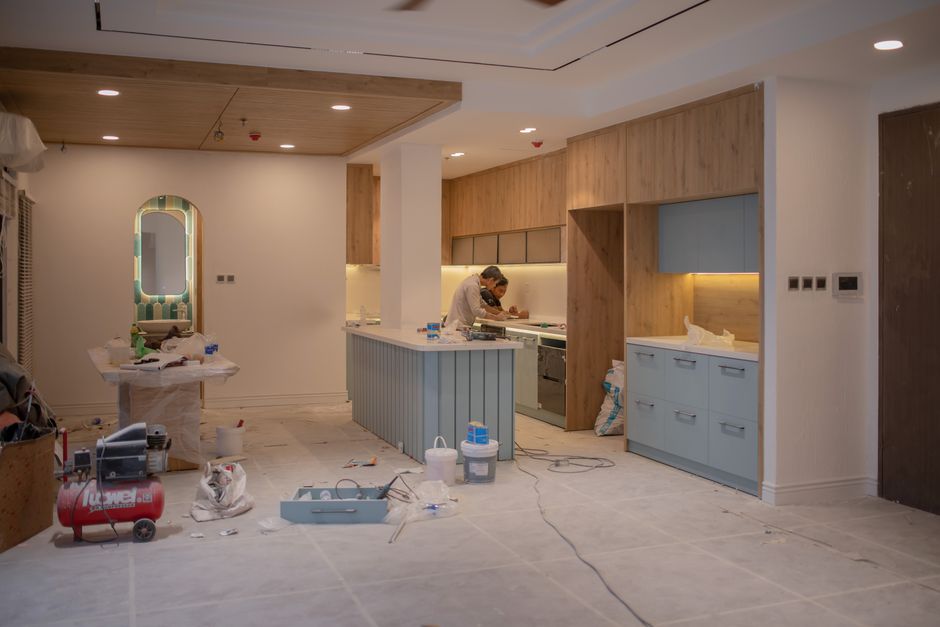
What to know about builders cleaning after West Hampstead refurb
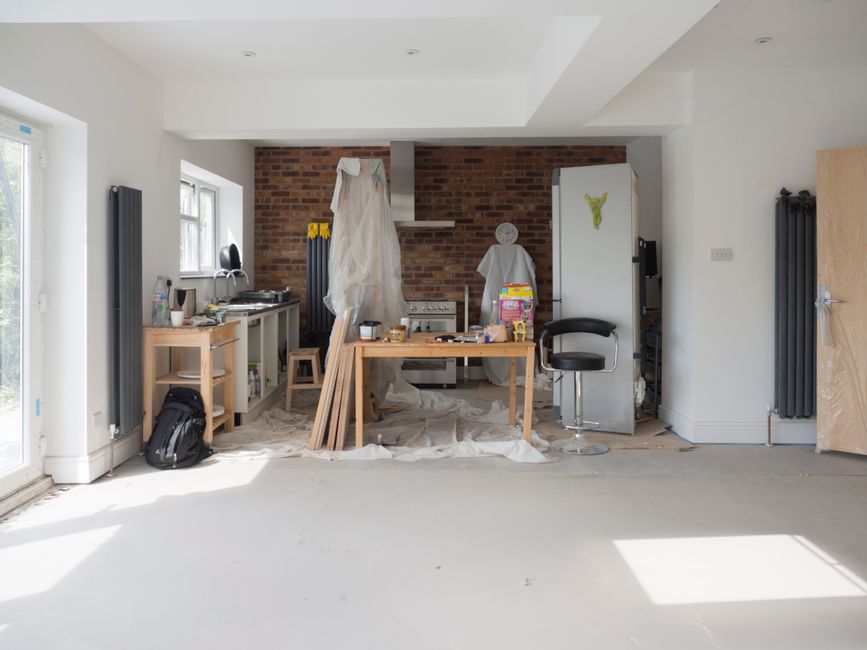
If you have just finished a refurb in West Hampstead, the space may look finished at first glance, but the dust tells a different story. Fine plaster residue on skirting boards, paint specks on glass, grit in tracks and corners, and that slightly sharp smell of construction debris can linger long after the tools have gone. That is why builders cleaning after a West Hampstead refurb matters so much: it turns a project site back into a place you can actually live or work in.
In this guide, we will walk through what builders cleaning involves, when to book it, what to expect from a proper clean, and how to avoid the usual headaches. Whether you have renovated a flat, a house, an office, or a rental property, the basics are the same - but the details matter. A lot.
- Why builders cleaning matters after a refurb
- How builders cleaning works in practice
- Key benefits and practical advantages
- Who this is for and when it makes sense
- Step-by-step guidance
- Expert tips for better results
- Common mistakes to avoid
- Tools, resources and recommendations
- Law, compliance, standards and best practice
- Options, methods, and a comparison table
- Case study or real-world example
- Practical checklist
- Conclusion
- Frequently asked questions
Why What to know about builders cleaning after West Hampstead refurb Matters
Builders cleaning is not just "a bit of tidying up". It is a focused post-refurb clean that deals with the aftermath of building work: dust film, adhesive marks, grout haze, paint flecks, packaging debris, and the tiny particles that seem to settle everywhere. If you have ever opened a newly refurbished cupboard and found a line of plaster dust inside, you know the feeling. Everything looks ready, but somehow not quite ready.
That matters especially in West Hampstead, where refurb projects are often done in compact London properties with shared hallways, limited storage, and tight access. The cleaner has to work carefully around finishes, fixtures, and neighbours. A rushed job can leave dust in vents, residue on new tiles, and streaks on freshly fitted glass. Not ideal, and definitely not the finish you paid for.
A proper builders clean protects the look and lifespan of the refurbishment. It also helps you spot defects that were hidden under dust. In our experience, that moment of post-clean clarity can be surprisingly useful: you notice a chipped edge, a mark on a panel, or a poor seal that would have been missed otherwise. Better to catch it early.
Practical takeaway: after a refurb, a standard domestic clean usually is not enough. Builders cleaning is a more detailed, more methodical process designed to remove construction residue safely and thoroughly.
If the refurb is part of a wider home reset, you may also find our pages on deep cleaning and move-in cleaning helpful for understanding where one service ends and another begins.
How What to know about builders cleaning after West Hampstead refurb Works
Builders cleaning normally happens once the major works are finished and trades have left the site. The cleaner then moves through the property in a structured way, usually starting high and working down. That means dusting light fittings, tops of cabinets, and ledges before tackling surfaces lower down, so debris does not get dropped back onto already cleaned areas. Simple idea. Very effective.
The exact process depends on the scale of the refurb, but a thorough after-build clean often includes:
- removing visible building debris and packaging
- dusting walls, skirting boards, shelves, frames and fittings
- cleaning doors, handles, switches and sockets with care
- wiping kitchen and bathroom surfaces to remove fine dust and residue
- polishing glass, mirrors and internal windows
- vacuuming and mopping floors using methods suited to the material
- spot-cleaning paint, adhesive, silicone or grout residue where safe to do so
One thing people sometimes underestimate is how much dust sits in corners, tracks, and textured surfaces. You wipe one shelf and think you are done, then sunlight hits the room at 4pm and suddenly every particle is visible. Builders cleaning is partly about that visual control. It aims to make the room look and feel properly finished.
For larger refurb projects, it can overlap with one-off cleaning, but builders cleaning is more specialist because it deals with post-construction residue rather than general household dirt.
Key Benefits and Practical Advantages
The value of builders cleaning is easy to see once it is done, but there are practical benefits before that final reveal too. The first is straightforward: the property becomes usable sooner. You can unpack, stage, photograph, or hand over the space without dust continuing to move around every time someone opens a window or walks through a hallway.
Other advantages are worth spelling out.
- Cleaner air and surfaces: fine dust can keep settling for days if not properly removed.
- Better presentation: a polished refurb photographs better and feels more expensive, frankly.
- Damage spotting: once residue is gone, defects are easier to identify.
- Time saved: you avoid spending your weekend with cloths, ladders and a hoover that is already full by 10am.
- Safer access: debris, loose packaging and dust can create slip or trip risks.
There is also a practical emotional benefit. A refurb is supposed to feel like progress. If the property still looks and smells like a building site, that sense of progress gets delayed. A good clean helps flip the mental switch from "work in progress" to "done".
If the refurb has included soft furnishings, carpets or rugs being moved around, you may want to look at carpet cleaning or rug cleaning as a follow-on, depending on what the project disturbed.
Who This Is For and When It Makes Sense
Builders cleaning makes sense for anyone who has completed work that created dust, debris, or residue. That sounds obvious, but it helps to think in scenarios rather than categories.
You might need it if you have:
- finished a kitchen or bathroom refurb
- had plastering, painting, sanding or tiling completed
- renovated a whole flat or house
- refreshed an office, studio or commercial unit
- replaced floors, windows, or fitted storage
- moved into a property that was recently worked on
In a West Hampstead flat, this often comes up after a compact refurb where trades have worked room by room. Because access is tighter, dust can spread more than people expect. In larger homes, the challenge is usually scale: there is simply more surface area, more corners, and more hiding places for debris. In commercial spaces, the pressure is often speed - you need the clean finished before staff or customers return.
If your project is more about preparing a property for handover, you may also want to compare builders cleaning with end of tenancy cleaning and move-out cleaning. They overlap a little, but they do not solve the same problem.
Step-by-Step Guidance
If you want the clean to go smoothly, a little preparation helps. Here is the approach we would recommend in a normal West Hampstead refurb situation.
- Finish the building work first. Make sure trades are off site and any snagging work is either complete or clearly scheduled. Cleaning around active work is usually wasted effort.
- Walk the property. Note the dustiest areas, fragile finishes, and any surfaces with adhesive, paint or silicone residue.
- Clear loose items. Pack away tools, leftover materials, spare tiles, fittings, and rubbish bags so the cleaner can access all zones.
- Protect delicate surfaces. If there are brand-new finishes, let the cleaner know what needs a softer touch. This is where communication saves a headache.
- Prioritise high-use areas. Kitchens, bathrooms, hallways and entrance points are usually the first places people notice after a refurb.
- Use the right equipment. A proper builders clean often needs HEPA-style vacuuming, microfiber cloths, non-abrasive pads, and suitable cleaning solutions for each material.
- Inspect when finished. Check window tracks, skirting, sockets, fixtures and behind doors. That is where the stubborn stuff likes to hide.
There is a small but important detail here: the order of operations matters. For example, you do not want to mop floors before dusty shelves and skirting boards have been cleaned. Otherwise you are just moving the mess around. A bit annoying. Very common, though.
Expert Tips for Better Results
A few small choices can make a big difference to the final result. These are the things that tend to separate a decent post-refurb clean from a really polished one.
- Book after the last dusty trade has finished. If decorators are still sanding or touching up, dust will return almost immediately.
- Tell the cleaner what materials are new. Natural stone, matt paint, brushed metal, and specialist glazing all need different handling.
- Ask about residue removal. Builders cleaning often involves removing marks left by tape, labels, grout haze or light adhesive. It should be discussed beforehand.
- Keep ventilation in mind. Fresh air helps, but opening windows too early on a windy day can shift dust from one room to another. Not ideal.
- Use daylight if you can. A late morning or early afternoon inspection often reveals streaks and missed dust that artificial lighting hides.
One practical habit we like is to do a room-by-room sign-off after the clean. Nothing formal. Just a quick walk-through with the doors open, lights on, and a careful look at edges and corners. It saves back-and-forth later.
If the project also included soft furnishings or a fitted mattress in a bedroom refurb, it may be worth considering upholstery cleaning or mattress cleaning once the dusty work is settled.
Common Mistakes to Avoid
The most common mistake is assuming a post-build clean is just a standard clean with extra elbow grease. It is not. Builders dust is finer, clingier, and more likely to scratch surfaces if handled badly. That means the wrong cloth or the wrong vacuum head can create more problems than it solves.
Other mistakes crop up again and again:
- Cleaning too early: if works are not fully complete, dust will return.
- Using abrasive products on new finishes: this can dull polished surfaces or mark delicate materials.
- Skipping hidden areas: top edges, handles, tracks, vents and behind radiators are easy to miss.
- Not checking access: in West Hampstead, stairwells, parking, and building entry can affect the schedule.
- Expecting one quick pass to do everything: some refurb residue needs careful repeat attention.
There is a slightly unglamorous truth here: a good builders clean is often slower than people expect. And that is fine. Speed is not the goal. Finish quality is the goal.
Tools, Resources and Recommendations
For a proper builders clean, the toolkit matters. You do not need to know every product name, but it helps to understand the categories involved so you can judge whether the job is being done properly.
| Tool or product | What it is used for | Why it matters |
|---|---|---|
| HEPA-style vacuum | Fine dust removal from floors, edges and fabrics | Helps trap tiny particles instead of recirculating them |
| Microfiber cloths | Dusting and wiping delicate surfaces | Pick up dust more effectively than rough cloths |
| Non-abrasive pads | Careful residue removal on suitable hard surfaces | Reduce the risk of scratching new finishes |
| Glass-safe cleaner | Cleaning internal windows, mirrors and glazed panels | Helps avoid streaking on freshly installed glass |
| Detail brushes | Tracks, hinges, sockets and awkward corners | Useful where dust settles out of sight |
For a wider understanding of service standards and what a reputable provider should be able to explain, the pages on health and safety, insurance and safety, and pricing and quotes are useful starting points.
And because post-refurb work can generate a surprising amount of waste, it is sensible to think about sorting and disposal too. The site's recycling and sustainability information is worth a look if you care about keeping the clear-up responsible as well as thorough.
Law, Compliance, Standards, or Best Practice
Builders cleaning can touch on safety, waste handling, and property protection, so good practice matters even when the work itself is straightforward. In the UK, a professional cleaner should work in a way that reduces risk to people, surfaces, and the building. That usually means using suitable products, proper equipment, and sensible methods rather than "anything goes".
From a practical standpoint, the important things are:
- Risk awareness: wet floors, dust, sharp debris, and awkward access all need managing.
- Surface protection: fresh paint, new fittings, and delicate finishes should be treated carefully.
- Waste handling: leftover rubble, packaging and construction waste should be separated where appropriate and disposed of responsibly.
- Clear service terms: what is included, what is excluded, and what counts as extra work should be agreed in advance.
For anyone booking a company, it is sensible to ask about insurance, training, and how complaints are handled if something goes wrong. Not because you expect trouble - just because it is smart. The relevant pages on terms and conditions and complaints procedure can help set the tone for a proper working arrangement.
Another practical point: if your refurb is in a shared building, communal hallways and entry points may need care too. In that case, communal area cleaning may be relevant alongside the main post-build clean.
Options, Methods, or Comparison Table
Not every clean after a refurb needs the same depth. Sometimes you need a full builders clean. Sometimes a lighter finishing clean will do. And sometimes, if the project was small, a standard deep clean is enough. Here is a simple comparison.
| Option | Best for | What it usually covers | Limitations |
|---|---|---|---|
| Builders cleaning | Post-refurb properties with dust, debris, and residue | Detailed dust removal, residue spotting, glass, fixtures, floors | May still need follow-up cleaning after final snagging |
| Deep cleaning | Properties needing a thorough reset without building residue | Heavy-duty clean of kitchens, bathrooms, surfaces and floors | Usually not designed for construction dust or adhesive marks |
| One-off cleaning | Occasional refreshes or special occasions | General detailed clean based on the property's needs | Not always specialist enough for after-build residue |
| Move-in cleaning | Before occupying a newly finished or vacated home | Freshening the property for use | May not cover heavy post-construction mess |
Truth be told, the best option depends on how much dust the works produced and how "finished" the space really is. A kitchen replacement, for example, often needs different treatment from a light decoration refresh.
Case Study or Real-World Example
Here is a realistic example from the sort of refurb people often have in West Hampstead. A two-bedroom flat has had new flooring, fresh paint, a refitted kitchen, and updated bathroom fittings. The owner walks in after the contractors leave and sees clean surfaces - but also a soft grey film across the window ledges, dust in the sliding track of the balcony door, and a few smudges on the new cabinet fronts.
On the first pass, the property looks almost ready. Almost. But once the cleaner starts working methodically, the difference becomes obvious. Cabinet tops are dust-free. Door frames are wiped. Floor edges no longer catch the light with grit. The bathroom mirror is clear instead of streaked. And the best bit? The owner can finally notice the details of the refurb instead of the debris left behind.
That is the real point of builders cleaning. It does not just remove mess. It reveals the work you paid for.
In a small London flat, this can make the space feel larger and calmer in one sweep. Sometimes you do not realise how much the dust was weighing the room down until it is gone. A tiny thing, maybe, but it changes the whole feel.
Practical Checklist
Use this quick checklist before and after a West Hampstead refurb clean. It is simple, but it keeps things organised.
- All building work is complete or paused for final snagging only
- Loose materials, tools, and rubbish have been removed
- Fragile or specialist surfaces have been flagged
- High-dust areas such as skirting, vents and tracks are included
- Kitchen, bathroom, and glass surfaces are listed as priorities
- Floor type is confirmed so the right cleaning method is used
- Access details for the property and building are clear
- Any shared areas or entry points have been considered
- A final inspection is scheduled after the clean
- Any follow-up touch-ups or snagging are noted separately
If you are comparing service types, the broader range of property cleaning options such as house cleaning, domestic cleaning, window cleaning, and oven cleaning may help you plan what comes after the main builders clean.
Conclusion
What to know about builders cleaning after West Hampstead refurb comes down to this: it is a specialist finishing stage, not an optional extra. After the noise, dust and disruption of a refurbishment, the clean is what makes the property feel complete. It protects new surfaces, helps you spot final defects, and lets you enjoy the result properly.
Before you book, think about timing, access, surface types, and the exact level of post-build residue. If you prepare well and choose the right service, the whole process becomes smoother than most people expect. And honestly, that moment when the space finally feels calm again is worth a lot.
If you want to compare service details or plan the next step, start with after builders cleaning and the practical service information on about us and contact us.
Get a free quote today and see how much you can save.
After the dust has gone, the room tells the truth about the work - and that is the satisfying part.
Frequently Asked Questions
What is builders cleaning after a refurb?
Builders cleaning is a detailed post-construction clean that removes dust, debris, marks, and residue left behind after renovation or refurbishment work. It is more specialist than a normal house clean.
How soon should I book a builders clean after work finishes?
Ideally, book it once all dusty work, painting touch-ups, and final snagging are done. If you book too early, fresh dust can undo the clean very quickly.
Is builders cleaning different from deep cleaning?
Yes. Deep cleaning focuses on a thorough clean of a lived-in property, while builders cleaning is designed for post-refurb residue such as plaster dust, paint spots, adhesive marks, and fine debris.
What areas are usually cleaned during a builders clean?
Common areas include floors, skirting boards, windows, frames, doors, switches, sockets, kitchen units, bathrooms, shelving, and visible fixtures. The exact list depends on the refurb.
Will builders cleaning remove paint splashes and adhesive marks?
It can remove light marks in many cases, but success depends on the surface and how long the residue has been there. Delicate or cured materials may need careful treatment or specialist attention.
Do I need builders cleaning for a small refurb?
If there was sanding, tiling, plastering, or a lot of dust, it is often worth it even for a small refurb. A minor decoration job may only need a lighter clean, but it depends on the mess created.
Can builders cleaning damage new surfaces?
It can if the wrong products or techniques are used. That is why it is important to work with someone who understands new finishes, delicate fixtures, and how to avoid scratching or dulling surfaces.
How long does a builders clean take?
It varies with property size and the amount of residue. A small flat may take much less time than a full house or commercial unit. The level of detail matters more than the clock, to be fair.
Do I need to remove all rubbish before the clean?
Loose building waste, packaging, and leftover materials should usually be cleared first so the cleaner can access the surfaces properly. The cleaner is there to detail the property, not run a skip service.
What should I ask before booking a builders clean?
Ask what is included, whether residue removal is covered, how delicate surfaces are handled, whether the team is insured, and what happens if follow-up touch-ups are needed after the clean.
Is builders cleaning suitable for rental properties?
Yes. It can be especially useful before a handover, a move-in, or after refurbishment work in a rental property where presentation and cleanliness both matter.
Can I combine builders cleaning with other services?
Yes, often. Depending on the property, you might also want window cleaning, carpet cleaning, or upholstery cleaning once the main building dust has been removed.